Bringing Colorectal Cancer Screening Awareness to the Faith-Based Community
Colorectal cancer is the second leading cause of cancer death in the United States1 — but it is also one of the most treatable when caught early.2 When detected in its earliest stages, the five-year survival rate is significantly higher than when colorectal cancer is found after it has spread or metastasized to other parts of the body.3 The trouble is: millions of people who are eligible for colorectal cancer screening still avoid getting it done.4
Barriers such as limited access to care, lack of paid time off, transportation challenges, fear of the procedure, misinformation, and medical mistrust all contribute to delayed or missed screening.5 For some, colorectal cancer may feel like a topic that is uncomfortable to discuss. For others, healthcare may not have always felt accessible or equitable.
The burden of this gap in screening falls disproportionately on communities of color. Black Americans face the highest rates of colorectal cancer incidence and mortality of any racial or ethnic group in the United States. Black Americans are approximately 20% more likely to be diagnosed with colorectal cancer and about 40% more likely to die from the disease compared to most other groups.6 These disparities are not rooted in biology alone; they reflect longstanding inequities in access to preventive care, timely diagnosis, high-quality treatment, and culturally responsive health education.7
Behind every statistic of colorectal cancer is a family, a congregation, and a community impacted by loss that could potentially have been avoided through earlier detection.
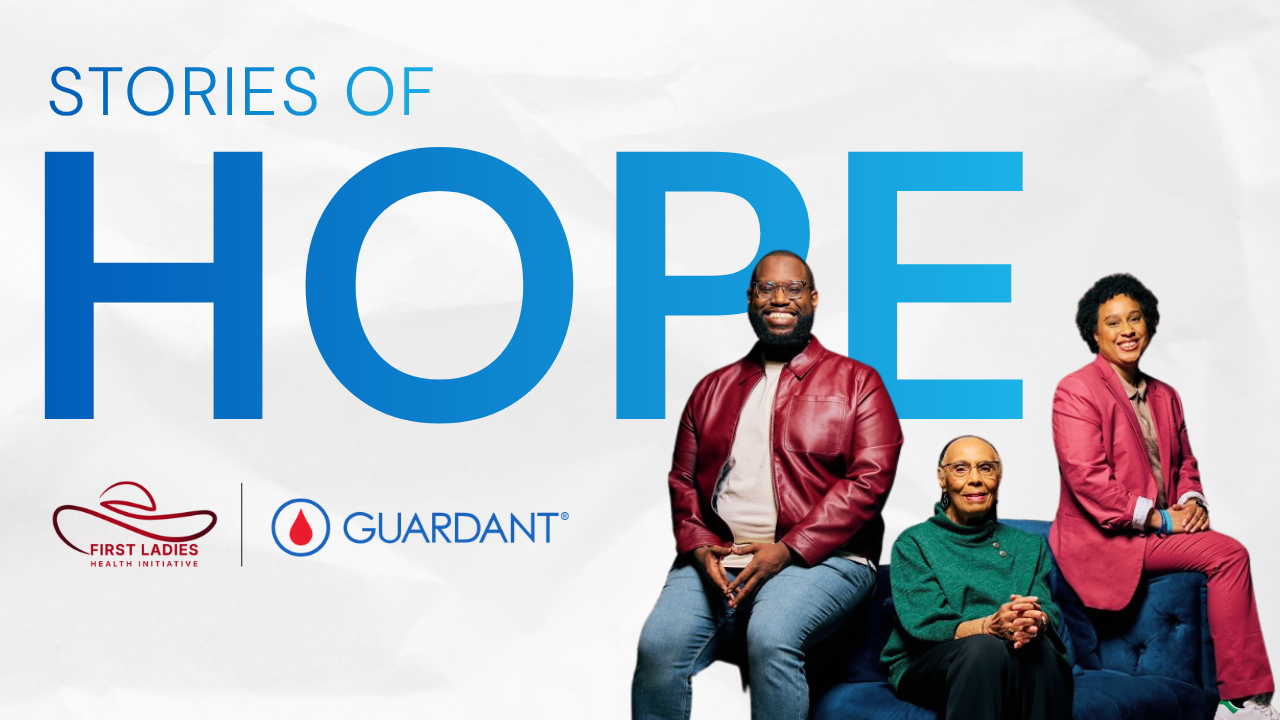
That’s why Guardant Health is proud to partner with the First Ladies Health Initiative on a new education and awareness project designed to meet people where they are – by elevating powerful stories and trusted voices within the faith-based community.
The Power of Faith-Based Leadership in Advancing Health
Throughout our nation’s history, faith leaders and church communities have played a vital role in advancing health and wellness. Churches have served not only as places of worship, but also as pillars of support, education, advocacy, and action – especially in Black communities and other communities of color.8 From organizing blood drives and health fairs to hosting vaccination clinics and chronic disease education programs, faith institutions have long been at the forefront of community-centered health promotion.
The First Ladies Health Initiative is deeply rooted in this tradition of service. “First Ladies” – often pastors’ spouses and respected leaders in their own right – are uniquely positioned to influence conversations about health within their congregations. They bring compassion, cultural understanding, and credibility. They understand the lived realities of their communities, including the fears and misconceptions that can surround colorectal cancer and screening.
By partnering with the First Ladies Health Initiative, we are working alongside leaders who know how to engage their communities with empathy and dignity. Together, we are creating space for open, honest conversations about colorectal cancer.
Real Stories. Real Impact.
At the heart of this initiative is a series of testimonial videos featuring real individuals who have been touched by colorectal cancer. These testimonials include impactful stories of unexpected and delayed diagnoses, of resilience in treatment, and of families navigating uncertainty. They include real and raw moments of worry and vulnerability – but also strength, faith, and hope. They highlight the ripple effect of colorectal cancer on loved ones. And most importantly, they underscore an understated but powerful truth: screening can save lives.
Hearing from someone who looks like you, worships like you, or shares your lived experience can make a profound difference. Representation matters in health communication. When community members see others speaking openly about colorectal cancer, it helps normalize the conversation and reduce stigma. It makes the topic feel less abstract and more urgent.
Through these testimonials, we hope viewers will see themselves reflected in the stories and feel empowered to take action.
A Shared Commitment to Health Equity
At Guardant Health, we are committed to advancing access to cancer screening and helping address inequities in cancer outcomes. Innovation in healthcare must go hand in hand with equity. New colorectal cancer screening approaches and technologies can only make an impact if communities are aware of them, trust them, and have access to them.
The First Ladies Health Initiative shares this commitment. By working together, we aim to amplify awareness within faith communities, provide accurate information about colorectal cancer and screening options, and empower individuals to have informed conversations with their healthcare providers.
This collaboration is about more than a campaign. It’s about building bridges between healthcare innovation and community trust. It’s about honoring the influence of faith leaders and recognizing the critical role they play in shaping health behaviors. It’s about confronting disparities with intention and action. And most importantly, it is about making sure that the tools available to detect cancer early reach the people who need them most.
*Note: All of the testimonial videos and colorectal cancer content created for this initiative have been sponsored by Guardant Health.
Recommended Stories


Shay Martin Reflects on the Big Move She Made With Her Baby After...